
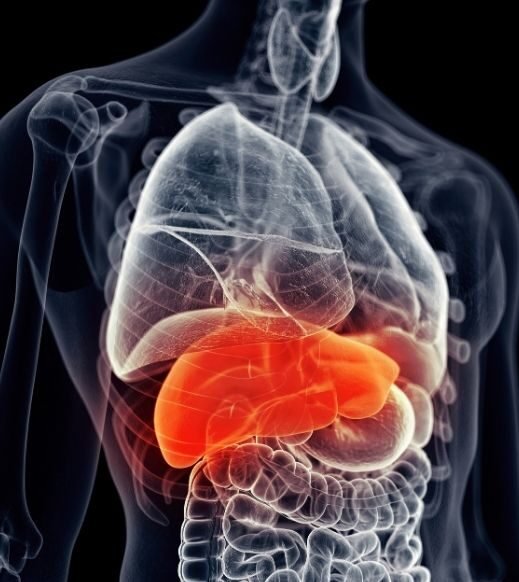

Liver Tumor

Liver TumorEarly Detection, Safer Treatments, Better Life

Personalized support and proven therapies, dedicated to guiding you through every step of treatment.

A liver tumor is an abnormal growth of cells in or on the liver, which can be either benign (non-cancerous) or malignant (cancerous). Benign tumors generally do not spread or pose major health risks unless they become large, while malignant tumors, known as liver cancer, can occupy nearby tissues and spread to other parts of the body.

Types of liver tumors

Benign Tumors

Hemangiomas, liver cysts, adenomas, and focal nodular hyperplasia are common types. These often cause no symptoms and are discovered incidentally.

Malignant Tumors

Hepatocellular carcinoma (HCC) is the most common liver cancer and originates in the main cells of the liver. Other malignant types include cholangiocarcinoma and hepatoblastoma.

Unintentional weight
loss

Loss of appetite or feeling full quickly after a small meal

Yellowish of the skin and eyes (jaundice)

Pain or discomfort in the upper right abdomen or right shoulder

Abdominal swelling or a palpable lump on the right side

Treatment Options for liver tumor

Treatment for liver tumor depends on the type, size, location, and stage of the tumor, as well as the patient’s overall health. Main treatment options include:

Surgery

Surgery

Liver resection: Removing the tumor along with a margin of healthy tissue if the tumor is localized and liver function allows.

Liver transplant: Replacing the diseased liver with a healthy donor liver, especially for early-stage tumors in patients with cirrhosis.

Localized Treatments

Localized Treatments

Radiofrequency ablation (RFA) or microwave ablation: Heating and destroying tumor cells using needles guided by imaging.

Cryoablation: Freezing cancer cells with extreme cold.

Percutaneous ethanol injection: Injecting alcohol directly into the tumor to kill cancer cells.

Embolization Therapies

Embolization Therapies

Transarterial chemoembolization (TACE): Delivering chemotherapy drugs directly into the liver tumor’s blood supply while blocking blood flow.

Transarterial embolization (TAE): Blocking the blood supply without chemotherapy to shrink tumors.

Radiaton Therapy

Radiation Therapy

High-energy X-rays or proton beam therapy to shrink tumors or relieve symptoms, including stereotactic body radiotherapy.

Systemic Treatments

Systemic Treatments

Targeted drug therapy: Using drugs that block specific cancer cell abnormalities.

Immunotherapy: Boosting the immune system to attack cancer cells.

Chemotherapy: Using anti-cancer drugs generally for advanced cases.

Supportive (Palliative) Care

Supportive Care

Focuses on symptom relief and improving quality of life alongside other treatments.

These therapies are often used alone or in combination, tailored to the patient’s condition and tumor characteristics for the best outcomes.
Three Questions Every Liver Tumor Patient Should Ask:

This helps recognize early signs like abdominal pain, jaundice, or unexplained weight loss.

Knowing whether the tumor is benign or malignant and its progression is crucial for understanding treatment options.

Understanding available treatments, possible outcomes, and risks helps in making informed decisions about care.

BOOK 
AN APPOINTMENT
AN APPOINTMENT
image

Fill the Form to
Book An Appointment