Best treatment for oesophageal diseases including GERD, acid reflux, swallowing disorders, achalasia, Barrett’s Esophagus, oesophageal ulcers, strictures, and other food pipe conditions.
Dr. Vikas Singla is well known for his accurate diagnosis and treatment.

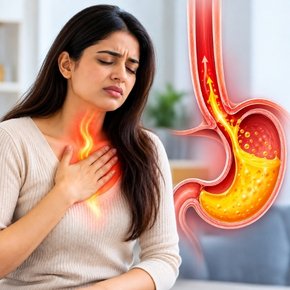
There is burning sensation behind the chest specifically after the meals.

Prolonged or repeated acid reflux lead to chronic cough or voice changes.
Stomach acid or partially digested food comes back into the throat or mouth is called acid reflux.

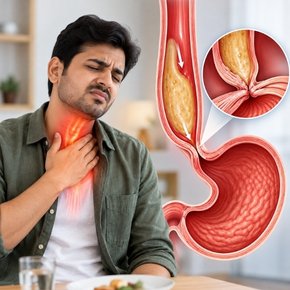
Many patients have a constant feeling that something is stuck in their throat is a sign of Oesophageal disorder.
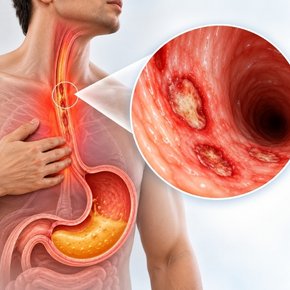
Patients who experience pain during swallowing, which is a strong indication of inflammation, ulcers, or infection in the food pipe.

These are very serious that indicates bleeding inside the oesophagus and need immediate medical attention.
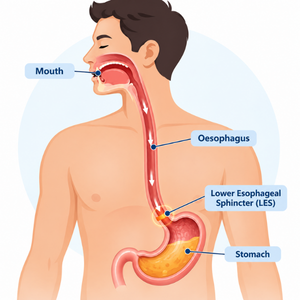
The oesophagus, also called the food pipe, is a muscular tube that carries food and liquids from the mouth to your stomach.
Every time you swallow, the muscles of the oesophagus push food downward while a valve called the Lower Esophageal Sphincter (LES) opens briefly to allow food into the stomach.
Once the food passes, the valve closes to prevent stomach acid and food from flowing back.
When this process is affected on account of inflammation, acid reflux, muscle problems, narrowing of the food pipe, or abnormal growths, it can lead to oesophageal diseases.
Several conditions can affect the food pipe. Although many of them produce similar symptoms, each requires a different treatment approach. Proper diagnosis helps identify the exact cause and allows the most suitable treatment.
GERD develops when the Lower Esophageal Sphincter becomes weak and allows stomach acid to move back into the oesophagus. Patients commonly experience heartburn, acid reflux, sour belching, chest discomfort, and symptoms that become worse after meals or while lying down.
Achalasia is a swallowing disorder in which the Lower Esophageal Sphincter does not relax properly. Food remains trapped inside the oesophagus instead of entering the stomach smoothly. Patients often experience difficulty swallowing both solids and liquids, regurgitation of undigested food, chest pain, and gradual weight loss.
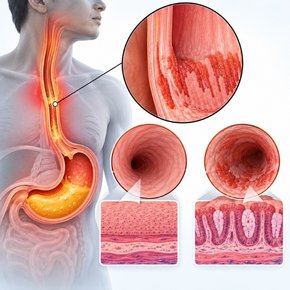
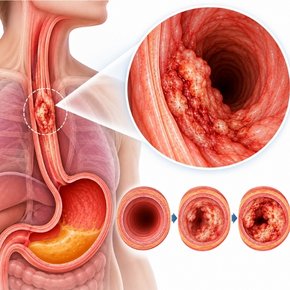
Long-standing acid reflux may damage the inner lining of the oesophagus, causing changes known as Barrett's Esophagus. Although many people do not notice additional symptoms beyond GERD, regular monitoring is important because this condition may increase the risk of oesophageal cancer.
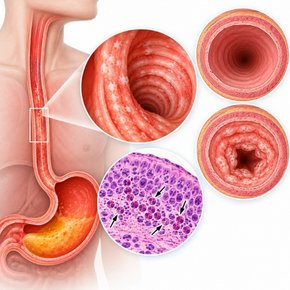
This is an allergic condition in which inflammation develops inside the oesophagus. Patients may experience repeated difficulty swallowing, food getting stuck during meals, or chest discomfort. It is more commonly seen in younger individuals and people with allergies.
Ulcers may develop because of severe acid reflux, certain medicines, accidental chemical injury, or infections. These ulcers often cause pain while swallowing, chest pain, and, in some cases, bleeding.
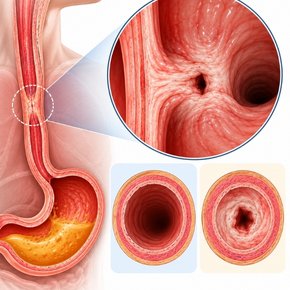
Repeated inflammation can cause the food pipe to become narrow. Patients usually notice that swallowing becomes progressively more difficult, particularly with solid foods.
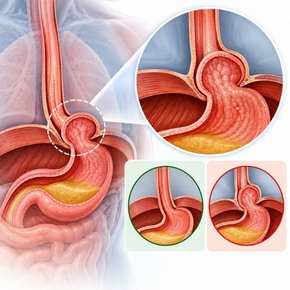
A hiatal hernia occurs when part of the stomach moves upward through the diaphragm. Many people with this condition experience acid reflux, heartburn, belching, and chest discomfort.
Persistent swallowing difficulty, unexplained weight loss, chest pain, vomiting, or bleeding should never be ignored. Early diagnosis offers better treatment options and improved outcomes.